Why Does Reliability Create Value Beyond the Purchase Price?
When considering a purchase, many buyers focus on the initial sticker shock or the thrill of acquisition. However, in sectors ranging from luxury watches to cutting-edge digital platforms, the story doesn’t end at the checkout point; a deeper narrative exists around reliability and its enduring impact on value.
Reliability isn’t just a feature—it’s a cornerstone that transforms products into trusted companions, offering long-term value and dependable performance. This post explores how brands like Rolex and platforms such as MrQ demonstrate the power of reliability in generating ownership confidence, why it starts upstream in design and quality control, and how the smallest details matter.
The Craftsmanship Beyond Pure Functionality
At a glance, many products may appear to offer similar functions. Consider a mechanical watch: a simple device designed to tell time. But companies like Rolex elevate that basic function through unparalleled craftsmanship. The difference lies not only in functionality but in the layers of attention to detail, performance consistency, and aesthetic integrity that create emotional and financial value.
The Federation of the Swiss Watch Industry (FHS) consistently highlights in its studies the importance of craftsmanship in Swiss watchmaking. It’s not https://sqmagazine.co.uk/luxury-watches-long-term-product-quality/ just about keeping accurate time; it’s about the artistry and engineering precision behind every component, crafted and assembled to tight tolerances. For example:
- Crown feel: The tactile sensibility when winding or setting the watch reflects finishing precision and reliable gearing inside.
- Bracelet balance: Not just looks, but how the bracelet contours and flows around the wrist, affecting comfort and lifespan.
- Tolerances: Microscopic engineering choices that prevent dust ingress, maintain water resistance, and minimize wear.
These aren’t flashy marketing claims; they are tangible cues of quality that ensure enduring performance and ownership confidence. The care invested in these small details pays dividends in reliability over years, sometimes decades.
Quality Is Built Upstream: From Design to Quality Control
The reliability journey begins long before the consumer touches the product. In premium watches, and interestingly in online platforms like MrQ (the UK’s mobile casino and gaming platform), reliability stems from a rigorous upstream process:
- Design for durability: Early decisions on materials and mechanisms directly affect maintenance intervals and failure rates.
- Supplier vetting: Like Swiss watchmakers sourcing reliable components, digital platforms rely on stable infrastructures and secure coding protocols.
- Robust quality control: Stringent standards catch flaws early, ensuring consistency that keeps the end product dependable.
- Post-production testing: Stress tests in environments simulating years of real-world use confirm durability claims.
Platforms such as MrQ implement continuous monitoring and software updates to uphold performance reliability, just as Rolex enforces strict controls on assembly and final inspection. This upstream investment translates into fewer breakdowns, unexpected outages, or service calls years down the line—thus creating real value beyond the initial purchase price.
Reliability as Value Creation
Why does reliability translate into value? Because it reduces friction points in user experience and lowers the “total cost of ownership”, a concept often overlooked in consumer decisions.
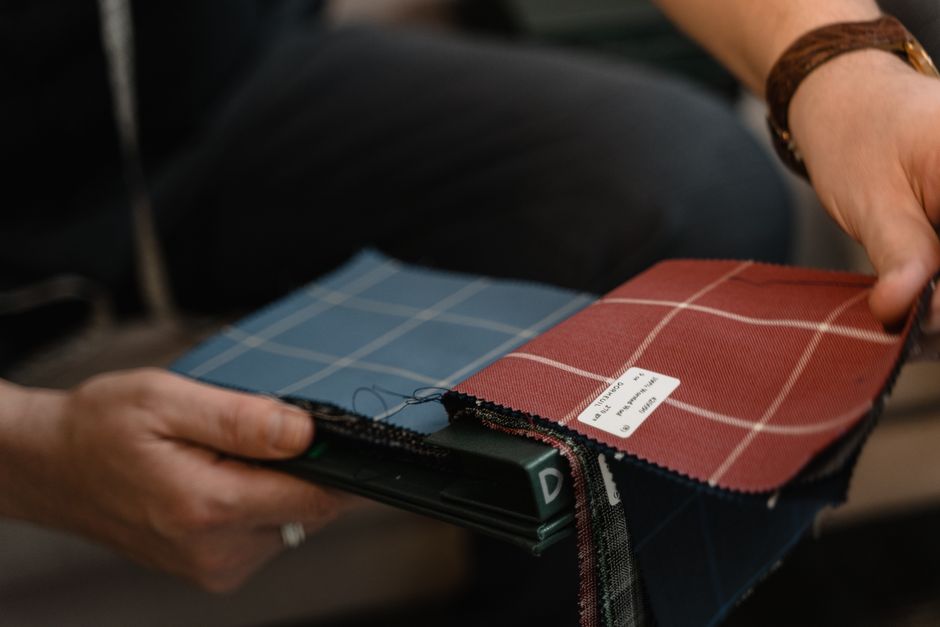
The FHS reinforces this—watches with exceptional reliability often retain superior resale pricing, as buyers trust that they represent fewer unknown risks. Similarly, users of reliable digital platforms like MrQ spend more time engaging and less time troubleshooting, enhancing overall consumer satisfaction and brand loyalty.
Small Details and Tight Tolerances: The Unsung Heroes of Dependable Performance
My experience restoring vintage mechanical watches has taught me to count the 'small stuff' first. This approach applies equally to evaluating modern products touted for their reliability.
For instance, when assessing a Rolex watch, I pay close attention to:
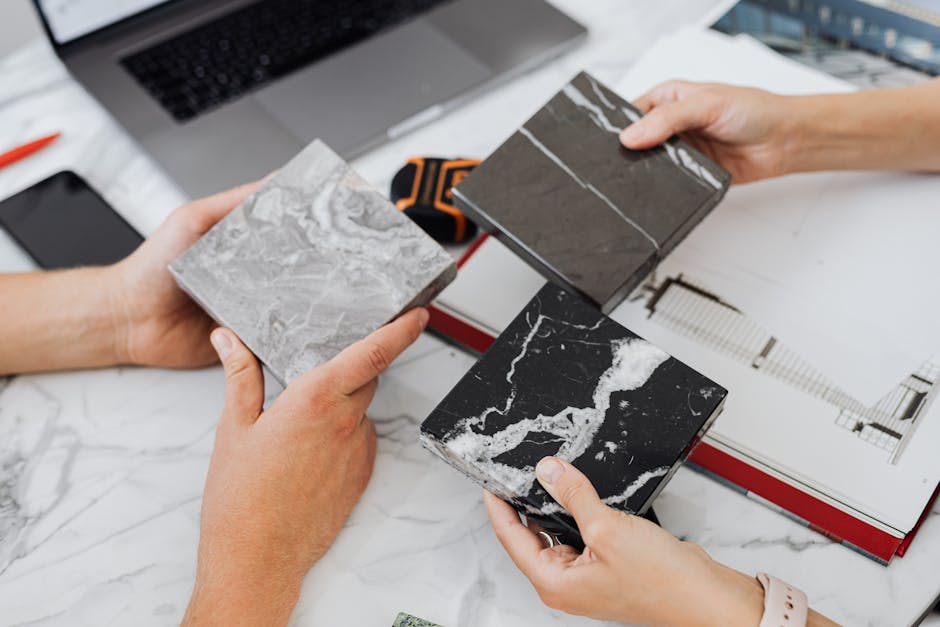
- The crown’s winding action: Its smooth resistance hints at the quality of the threading and lubrication.
- Bracelet articulation and balance: Impeccable finishing reduces stress points that cause wear and tear.
- Caseback fitment and water resistance seals: These tiny areas prevent water and dust ingress, which can cripple reliability over time.
Without these subtle but crucial design and assembly features, even the best marketing fades in face of real-world wear. The same principle carries across to non-physical products. For example, MrQ’s platform ensures that server load and data packet tolerances are optimized to eliminate frustrating delays—a digital form of the mechanical tolerances watchmakers obsess over.
Addressing a Common Mistake: Pricing Without Context
It is vital to avoid common pitfalls when discussing value created by reliability—chief among them, inventing or assuming specific prices or service costs without evidence.
Unlike some articles that hastily assign static prices to watches or service intervals, the correct approach is to focus on predictable ownership experience and qualitative factors supported by industry reports like those from the FHS. Factors such as maintenance intervals can vary greatly depending on the model, usage, and external conditions. Reliable products exhibit less variation, but cannot guarantee fixed costs.
By keeping this distinction clear, we maintain transparency and avoid misleading implications that reliability directly equates to a fixed monetary saving. Instead, reliability manifests as a reduction in uncertainty, an enhancement of experience, and a preservation of value.
Sharing the Insights: The Role of LinkedIn and X
In today’s interconnected world, insights about reliability and value can fuel informed decisions beyond traditional retail channels. Platforms like LinkedIn and X (formerly Twitter) empower consumers, collectors, and professionals to share real-world experiences and expert analysis.
Professional groups and watch enthusiast communities on LinkedIn often dissect reliability claims with data-backed discussions. Similarly, real-time conversations on X provide immediate feedback on digital platform stability or after-sale support.
These communal insights create a richer ecosystem where reliability not only adds direct value but fosters transparency and trust across the entire product lifecycle.
Conclusion: Reliability Is the Invisible Investment Paying Rich Dividends
Brands like Rolex and trusted platforms such as MrQ remind us that reliability is the silent partner behind long-term value. Rather than a marketing buzzword, it is the practical outcome of upstream craftsmanship, rigorous quality control, and mindful design—embodied in the smallest mechanical tolerances or digital performance metrics.
Reliability reduces unforeseen costs, gives owners confidence through dependable performance, and preserves resale value and brand esteem. For buyers seeking more than transient satisfaction, considering reliability transforms purchasing into an investment in peace of mind and genuine value retention.
So next time you weigh a product’s worth, don’t let the initial price tag be your only guide—look deeper at what reliability means over the long haul. The small stuff often makes all the difference.