What Is an East-West Engagement Ring—and Does It Snag on Everything?
An east-west engagement ring turns the usual engagement-ring picture sideways. Instead of a long gemstone pointing from fingertip toward knuckle, the stone sits horizontally across the finger. The result can feel graphic, relaxed, and a little unexpected—without requiring you to abandon an oval, emerald cut, marquise, or other familiar shape.
And the snag question? An east-west setting is not automatically a knitwear hazard. Whether it catches depends much more on the setting’s height, prongs, and edges than on the direction the gemstone faces. I’ve kept a running mental list of settings that grab sweaters, and “east-west” alone doesn’t earn a place on it.
If you’re looking for a low profile engagement ring with a distinctive silhouette, an east-west setting may be worth trying on. Here’s what the style means, how it wears, and what to ask before you fall for a beautiful photo.
What Is an East-West Setting?
An east-west setting places an elongated gemstone horizontally across the finger. “East-west” describes the stone’s orientation, not a specific type of ring or mounting. The opposite, sometimes called a north-south setting, positions the stone lengthwise along the finger—the direction many people think of as traditional.
Ovals are a popular choice, which is why you’ll often hear the phrase horizontal oval ring. But the style can work with several shapes, including emerald cuts, marquise cuts, baguettes, and some pear-shaped stones. Each creates a different effect: an oval feels softly modern, an emerald cut looks architectural, and a marquise can make a crisp, almost leaf-like line across the hand.
East-west doesn’t mean “nontraditional” in every respect. You can pair the setting with a solitaire, a halo, a bezel, a pavé band, or a plain band. The orientation simply changes the visual balance. A familiar stone can look newly personal when it’s turned on its side.
Why Couples Are Breaking the Usual Ring Rules
Engagement rings carry plenty of history, but there isn’t one correct way to wear that history. Some couples want a classic diamond solitaire; others want a sapphire, a low-set ring, a recycled metal band, or a design that feels unlike anything in their family photos. Those choices don’t make the commitment less meaningful. They make the ring more connected to the person wearing it.
That’s part of the appeal of modern settings and silhouettes. An east-west ring can feel individual without being so unusual that it becomes difficult to style or wear. It also offers a subtle shift for someone who likes the look of an oval or emerald cut but wants a little distance from the most familiar version.
For inspiration, save a mix of shapes and settings to Pinterest boards rather than pinning only polished campaign images. Include close-ups from several angles, pictures of rings on hands, and examples of bands beside the center stone. Bespoke Bride is another useful place to explore wedding ideas and styling inspiration; just remember that a lovely editorial image can’t tell you how a ring feels between your fingers.

Does an East-West Ring Snag on Everything?
No. But some rings—east-west or otherwise—are more likely to catch on knits, hair, or pockets. The biggest factors are height and exposed edges. A tall setting with sharp prong tips can snag, while a low, smooth setting may glide past fabric even if the stone is wide across the finger.
In practical terms, look closely at:
- Prong tips: They should be secure and smoothly finished, not sharp or sticking out beyond the stone.
- Setting height: A stone that sits high above the band has more opportunity to catch on things.
- Bezel edges: A bezel wraps the edge of the gemstone in metal, which can reduce exposed points. Check that the bezel itself is smooth and comfortable.
- Side details: Decorative claws, open galleries, and raised accents can catch even when the center stone looks neat from above.
- Band shape: A very wide or heavily decorated band may feel different beside neighboring fingers than a simple, tapered one.
Orientation matters less than people expect. A horizontal stone may extend closer to the Check out the post right here sides of your finger, so check whether it brushes your neighboring fingers or bumps into things as you move. That’s a comfort issue more than a guaranteed snag issue. Ask to handle a sample, run your hand over a soft knit, and try making a fist. If you’re shopping online, ask the jeweler for side and underside views, plus the ring’s height above the finger.
Try the Ring in Real-Life Motions
At an appointment, don’t just hold your hand still for the mirror. Put your hand in a pocket, slide it into a coat sleeve, type on your phone, and rest your fingers together. Pay attention to how the band feels between your fingers. A ring can look perfect from above and still feel like it’s crowding the next finger all day.
If you knit, work with gloves, play an instrument, or spend a lot of time using your hands, say so. A jeweler can suggest a lower setting or smoother construction. No setting is indestructible, and even a low-profile ring can catch on a very open weave, but choosing for your actual routine can reduce the daily annoyances.
Choosing a Low Profile Engagement Ring
“Low profile” means the gemstone sits closer to the finger than it would in a tall, elevated setting. A lower setting can feel more secure and practical, but the phrase doesn’t describe one standard height. Two rings both marketed as low profile can sit differently, depending on the stone and how the setting is built.
For an east-west design, ask how the setting supports the center stone. A bezel can create a smooth outline, while low-set prongs may preserve more of the gemstone’s edge. A basket setting can protect the stone from underneath, though it may still sit higher than you expect. The right choice depends on the stone’s shape, how much light and metal you want to see, and how the ring feels on your hand.
Setting detail What it can offer What to check Bezel A smooth metal rim around the stone; often a streamlined look Whether the rim feels comfortable and suits the stone’s shape Low prongs A more open view of the gemstone Whether the prongs are secure, smooth, and not overly exposed Raised basket Support beneath the center stone and room for light to enter How high the setting sits and whether it interferes with a wedding band Flush or integrated band A close-fitting look that may pair neatly with the engagement ring Whether the shape works with your preferred wedding band styleBe honest about your budget during this conversation. Budget discussions don’t ruin romance; they help a jeweler focus on options you can genuinely consider. You might adjust the stone size, choose a different gemstone, simplify the band, or prioritize a particular metal or setting detail. A good design process makes those trade-offs clear rather than treating them like a secret.
Colored Gemstones as Part of Your Story
An east-west setting can give a colored gemstone room to be the star. A sapphire, tourmaline, or other suitable gem in a horizontal orientation can make a ring feel connected to a place, a favorite color, or a family memory. The meaning doesn’t have to come from a formal symbolism chart. Maybe the stone echoes a partner’s birthstone, a garden you love, or the blue of the sea where you got engaged.
Gemstones do vary in hardness and durability, so ask how your choice stands up to daily wear. A stone that’s perfect for an occasional cocktail ring may need more thoughtful setting and care as an everyday engagement ring. Also ask the jeweler about the stone’s origin, treatments, and any available sourcing information. If a brand gives polished answers about style but dodges straightforward sourcing questions, that’s worth noticing.
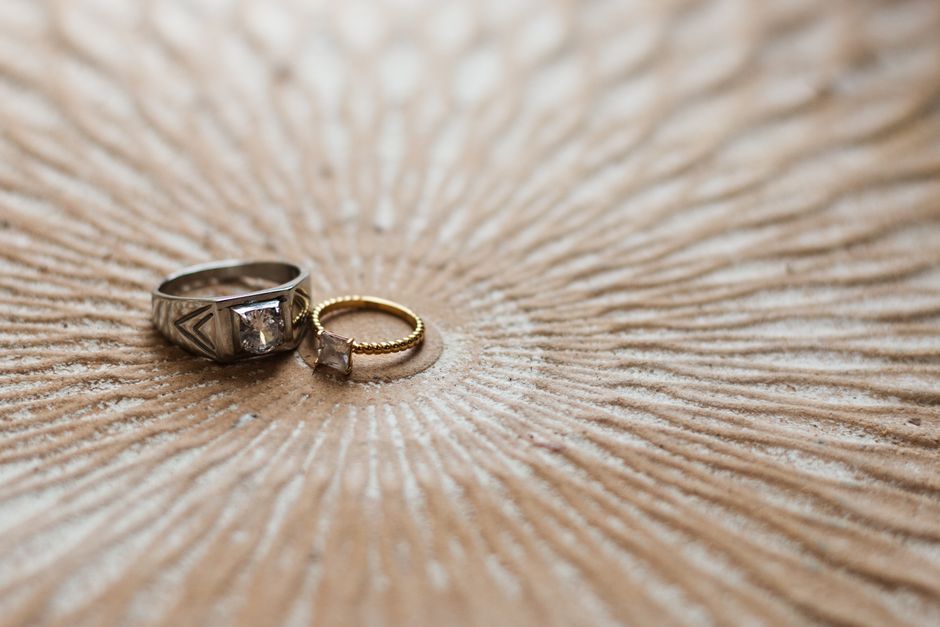
Color can also change how a ring reads. A pale gemstone may keep the overall look quiet and airy; a saturated stone can make the sideways silhouette feel bold. If you’re uncertain, compare options in natural and indoor light rather than making a decision from one bright studio photograph.
Bespoke Design and Customization
Custom doesn’t have to mean starting with a blank page or inventing a complicated ring. It can be as simple as choosing a horizontal oval, lowering the setting, changing the band width, or selecting a stone with a particular color. A jeweler can help translate those preferences into a design that works with the gemstone and your day-to-day habits.
Brands such as Lily Arkwright may be one of the names shoppers encounter while exploring contemporary engagement-ring options, including designs made with lab-grown stones. Compare the specifics that matter to you: stone details, metal choices, customization options, repair policies, and clear sourcing information. For a more accessible fashion-jewelry option, Modern Gents can https://smoothdecorator.com/engagement-ring-shopping-online-how-do-returns-and-resizing-usually-work/ be part of a broader comparison, but make sure you’re comparing like with like in materials, construction, and intended wear.
If you’re commissioning a ring, bring reference images but explain what you like about them. Is it the low height, the horizontal line, the prong shape, or the way the band meets the stone? That distinction helps a jeweler create something personal rather than simply copying a picture. Ask for a design drawing or model, confirm how the wedding band will sit, and get the final measurements and material details in writing.
Questions to Ask Before You Buy
- How high does the center stone sit above my finger?
- Are the prongs or metal edges likely to catch on clothing?
- Can I try the ring with a wedding band, or see how the two will fit together?
- What care, inspection, and repair does this setting need?
- Where did the gemstone and metal come from, and what treatments were used?
- Can the design be adjusted if it feels too wide or crowded on my hand?
- What is included in the price, and what changes would affect it?
Think of your ring search like planning any part of a wedding: inspiration is useful, but the practical details deserve a place at the table. If an invitations promo includes a Google Sheet for RSVPs, use that sheet to keep guest responses organized—and keep a separate note for ring preferences, questions, and quotes. Romance and spreadsheets can coexist just fine.
So, Is an East-West Ring Right for You?
An east-west engagement ring is a setting where an elongated stone runs across the finger instead of along it. It can be elegant, graphic, playful, or quietly unconventional, depending on the gemstone and details. It does not automatically snag on everything. A low setting, smooth edges, and carefully finished prongs usually matter more than whether the stone points north-south or east-west.
Try on a horizontal oval ring if you like the shape but want a fresh perspective. Test how it moves, notice how the band feels between your fingers, and ask the jeweler direct questions about construction and sourcing. The best ring isn’t the one that follows tradition or rebels against it perfectly. It’s the one you enjoy wearing on an ordinary Tuesday—when you’re reaching for your coat, pulling on a sweater, and living your actual life.