What Does Drum-Dyed Leather Change in Real Life?
“Drum-dyed” sounds like a detail for leather tanneries, not something you’d notice when you reach for your wallet or work bag. But the way leather is colored can affect how scratches look, how the surface wears, and whether an everyday-carry item develops the kind of patina you want.
The short version: drum dyeing is a method of coloring leather in a rotating drum. It can help color penetrate more evenly than a surface-only treatment, but the term alone does not guarantee that a product is colored all the way through—or that it will hide every mark. For a practical buying decision, pair the phrase “drum-dyed” with more specific information: the leather grade, whether it is dyed through, what finish it has, and how the company handles repairs or returns.
That is why I check product pages for exact leather-grade wording and warranty pages for readable terms before I buy. A good description should tell you more than “premium leather,” and a useful warranty should make clear what happens when normal use turns into a problem.
What “drum-dyed” actually means
In drum dyeing, hides are placed in a large rotating drum with dye. As the drum turns, the leather moves through the dye bath, which helps distribute color through the material. The process differs from simply applying color to the leather’s surface after tanning.
That distinction matters, but the vocabulary can get slippery. Drum-dyed describes a coloring process; it is not a leather grade. It does not tell you whether the hide is full-grain, top-grain, corrected-grain, or bonded. It also does not specify the exact depth of color penetration, the amount of surface finish, or how the leather will be cut and assembled.
“Dyed through leather” is a more useful claim when you want to know whether the color extends into the hide rather than sitting only on top. Still, ask how the maker uses the term. A leather can be drum-dyed without every part of its cross-section matching the surface color perfectly. Thickness, tannage, dye formulation, and finishing all affect the final result.
Full-grain leather vs. vague labels
Leather grade and dyeing method answer different questions. Full-grain refers to the surface of the hide: the natural grain has not been sanded away to remove imperfections. Drum-dyed refers to how color was added. A product can be full-grain and drum-dyed, but one claim does not prove the other.
When a product page says “genuine leather,” “premium leather,” or “top quality leather” without explaining the grade, treat that as incomplete information. “Genuine leather” is especially unhelpful as a quality signal by itself; it can describe leather products across a broad range of construction and finish. Look for a clear material description and ask a follow-up if it is missing.
For example, when comparing bags from Von Baer, Saddleback Leather, or Leatherology, use the product pages as a starting point rather than relying on the brand name alone. saddleback briefcase review Check the wording for the specific item you’re considering: Does the page identify a grade? Does it say whether the leather is drum-dyed or dyed through? Does it explain the finish or care requirements? Product details can vary by collection, so don’t assume that one description applies to every item from a company.
What to look for on the product page
- Leather grade: Is it clearly identified as full-grain or another specific type, rather than described only with broad quality language?
- Coloring: Does the maker say “drum-dyed,” “dyed through,” or both—and explain what that means for the item?
- Finish: Is the surface aniline, semi-aniline, pigmented, waxed, or otherwise treated? The finish affects appearance and how wear shows.
- Construction: Are edges painted, burnished, folded, or left raw? Are stress points reinforced?
- Care: Are cleaning and conditioning instructions specific to that leather?
How drum dyeing changes daily carry
The practical advantage shoppers often care about is color at the edges of wear. If the leather is genuinely dyed through, a scratch or worn corner is less likely to reveal a sharply contrasting pale layer beneath the surface. In other words, the scuff doesn’t show a lighter layer as readily as it might on leather with color concentrated near the top.
That does not mean marks https://highstylife.com/how-can-i-tell-if-wallet-stitching-is-good-quality/ disappear. A scrape can still change the surface texture, expose fibers, or leave a visible line. A coated finish may also show a scratch differently from a more open, natural finish. “Dyed through” is not the same as “scratch-proof,” and drum dyeing is not armor for a bag that gets dragged across concrete.
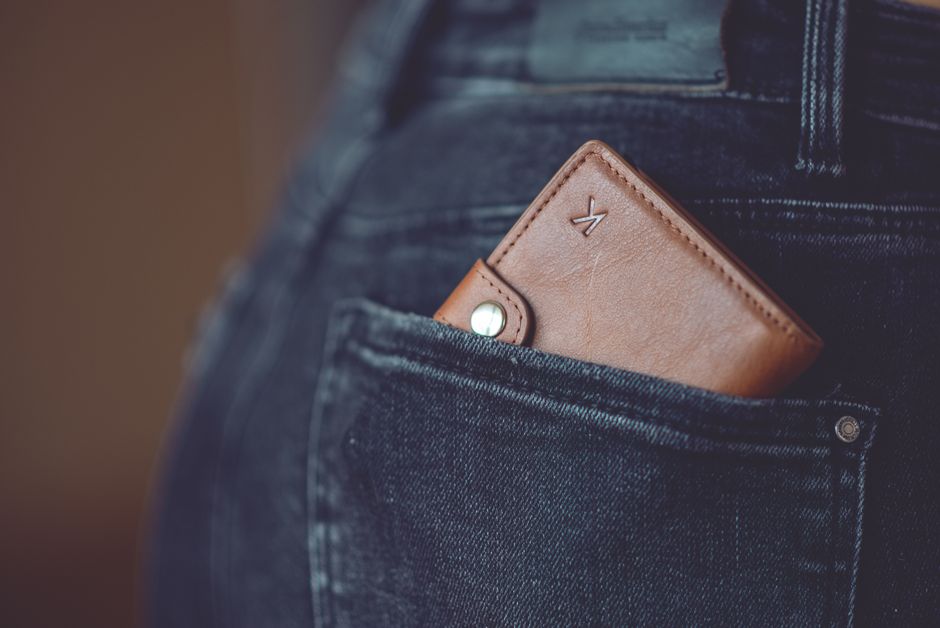
For everyday carry, this difference is most noticeable on items that take repeated contact: wallet corners, bag bottoms, belt edges, card slots, and handles. If you carry a bag against a jacket or set it down on rough floors, edge wear is part of the ownership experience. More consistent color through the leather can make that wear look less like a defect and more like gradual use.
Think about your habits, too. A commuter who uses the same tote daily may value a finish that is easy to wipe clean. Someone who wants visible character may prefer leather that develops color variation and marks. A drum-dyed, fully pigmented leather can be more uniform and protected, while a less-covered finish may show the hide’s natural variation more clearly. The dyeing method alone does not tell you which experience you’ll get.
Patina over time: character, not a promise
People often buy leather expecting a rich patina over time, but patina is not a guaranteed effect of drum dyeing. It depends on the tanning method, finish, color, exposure to light, friction, oils from your hands, and how the item is cared for.
An open, lightly finished leather may darken and develop subtle variation as it absorbs oils and gets handled. A heavily coated surface may keep a more consistent color, though it can still show creases, edge wear, and scratches. Some drum-dyed leathers develop attractive depth; others remain fairly uniform. If patina is a priority, look for photos of the same leather after months or years of use, not just polished studio images.
Also check whether a maker’s care advice supports the look you want. Conditioning too often can darken some leathers, while harsh cleaners can strip or alter a finish. Follow the instructions for the specific product rather than assuming every brown leather bag needs the same treatment.

Why edges and stitching still matter
Leather color gets the headline, but the edges and seams tell you a lot about how a piece may hold up. A well-dyed hide can still be let down by thin edge paint that chips, poorly finished corners, or stitching that loosens at a stress point. In product photos, zoom in on the handle attachments, zipper ends, card-slot openings, and bag corners.
Edge treatment is particularly relevant to dyed-through leather. A cut edge may show the leather’s inner color, while an applied edge paint can create a cleaner, sealed look. Neither approach is automatically better. What matters is whether the finish is neat and consistent, and whether the maker explains how to care for it or address wear.
Warranty transparency is part of the purchase
A warranty is not a promise that a leather item will never scuff, crease, or age. It is a description of what the company will do when a covered defect appears—and what it considers ordinary wear. Read the warranty page before buying, not after a seam starts opening.
Look for readable warranty terms that spell out the coverage period, the process for making a claim, and whether repair, replacement, or another remedy may be offered. Check exclusions for normal wear, misuse, accidental damage, and changes caused by care products. If the page is vague, or if you cannot tell who pays for shipping, ask before ordering.
When comparing companies such as Von Baer, Saddleback Leather, and Leatherology, read the warranty for the specific product and purchase channel. Policies can differ by item, region, or seller, and they can change. Don’t rely on a slogan like “built to last” as a substitute for actual terms.
Monogramming: how the initials are applied matters
Personalization can make a wallet or bag feel considered, but initials are hard to undo. Before ordering, find out exactly how they will be applied. “Monogrammed” could mean blind debossing, foil stamping, engraving on a metal plate, or another method. Ask where it will sit, how large it will be, and whether the maker can show an example on the same leather and color.
Blind debossing presses a design into the leather without adding a contrasting color. It tends to look understated, but the result depends on the hide, pressure, and placement. Foil stamping adds color or metallic foil to the impression; it can be more visible, but the foil may wear with friction over time, especially on a wallet that spends its days in a pocket. A plate or attached hardware moves the personalization off the leather surface, but introduces another component and style choice.
For the best chance of lasting initials, avoid placing them where the item constantly rubs against a pocket, strap, or desk. Ask whether the monogram is heat-pressed, debossed, or applied with foil, and whether the maker offers any remedy if it fades unusually quickly. If longevity matters more than contrast, a discreet, unfilled deboss is often worth considering—but leather type and use still affect the result.
A quick comparison of the terms
Term What it tells you What it does not guarantee Drum-dyed The leather was colored in a rotating dye drum. That it is full-grain, fully color-matched through the hide, or scratch-proof. Dyed through The color is intended to penetrate the leather rather than exist only as a surface layer. That every scratch will be invisible or that the finish cannot wear. Full-grain The natural grain surface has not been sanded away to remove imperfections. That the leather is drum-dyed, or that the product has durable construction. Patina-friendly Usually a maker’s description of how the leather may age. A specific result; finish, use, and care all influence patina.How to choose for your own carry
If you want a bag or wallet that looks tidy through heavy daily use, prioritize clear leather specifications, a finish suited to your routine, and construction details you can inspect. Drum-dyed or dyed-through leather may help reduce the contrast of exposed color at scuffs, but it cannot compensate for weak stitching or poor edge finishing.
If you want visible character, look for real-world photos and ask how the leather changes with handling. A finish that lets the hide’s character show may develop a more noticeable patina, but it may also show scratches and stains sooner. Decide which signs of use you enjoy and which will bother you.
Before checkout, use this short list:
- Confirm the leather grade on the product page; don’t treat “premium” as a grade.
- Ask whether “drum-dyed” also means dyed through for the specific item.
- Inspect close-up photos of edges, stitching, corners, and high-contact areas.
- Read the warranty page for coverage, exclusions, and claim instructions.
- Ask how initials are applied and whether the placement is likely to rub.
The real-life takeaway
Drum dyeing can make color more consistent through leather and may help a worn edge look less stark. When leather is genuinely dyed through, a scuff is less likely to reveal a dramatically lighter layer. That is a useful everyday-carry advantage, not a guarantee against damage.
The more dependable buying decision comes from reading the whole product story: full-grain versus vague labels, dye and finish details, edge and stitch quality, understandable warranty terms, and a monogram method that suits how you’ll use the item. Those specifics tell you far more than “drum-dyed” alone—and give you a better chance of choosing leather that wears the way you actually want.