What Actually Matters More: Model Demand or Scratches on a Rolex?
When it comes to Rolex watches, enthusiasts and sellers alike grapple with a common dilemma: Does the model demand outweigh the physical condition — specifically scratches — of the watch? The answer isn't as simple as you might think. Understanding what truly drives Rolex pricing involves looking beyond the surface and diving into market dynamics, buyer preferences, and the value chain for luxury timepieces.
In this article, we explore the complex interplay between model and demand versus Rolex scratches value. We also explain why local jewelers and pawn shops often underpay, the hidden risks of private online selling, the advantages of specialist watch buyers, and how quotes and verification processes work. Along the way, we reference expert insights from companies like Rolex itself, Diamond Banc, and LuxLife (LuxuryLifestyle.com) to provide you a crystal-clear perspective.
The Power of Model Demand in the Rolex Marketplace
Here's what kills me: the primary driver of a rolex’s value is its model and demand. Certain Rolex models—such as the Cosmograph Daytona, Submariner, and GMT-Master II—are highly coveted, sometimes selling for multiples above their retail price in the secondary market. This demand is fueled by the brand's reputation, history, rarity, and cultural cachet.
On popular watch marketplaces and forums, listings for these models often show long waiting lists, price premiums, and bidding wars. For example, searching on watch forums reveals passionate discussions about supply scarcity and model desirability, reinforcing that demand can eclipse even the condition of the watch.
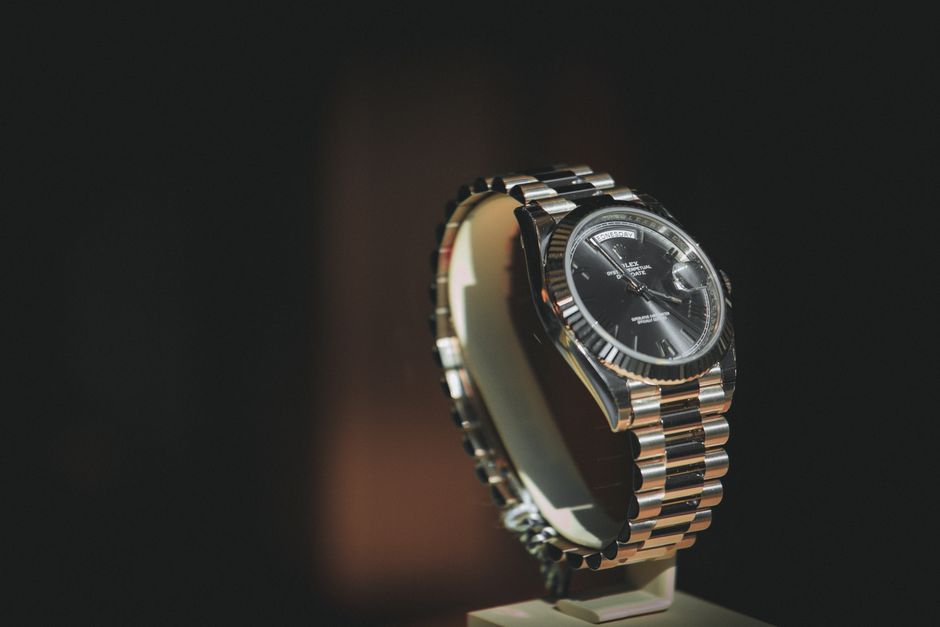
Why Model Drives Value More Than Surface Condition
- Scarcity and hype: Limited production runs or discontinuations create frenzy, making even imperfect pieces highly sought.
- Investment potential: A desirable model appreciates over time, so collectors often tolerate minor imperfections.
- Originality matters: Factory-original components and authentic provenance influence willingness to pay more than superficial scratches.
Simply put, if you own a reference that’s "hot" in the market, minor scratches generally hold less sway over value. The model demand often trumps physical blemishes – especially those that can https://luxurylifestyle.com/headlines/thinking-about-selling-a-rolex-heres-what-most-people-get-wrong.html be professionally polished or serviced without compromising integrity.
Scratches and Rolex: How Much Do They Really Impact Value?
Rolex scratches do impact resale price, but their effect is nuanced. This reminds me of something that happened learned this lesson the hard way.. Small surface marks from regular wear typically don't drastically reduce value, especially if the watch is a highly desirable model. However, deep scratches, dents, or signs of careless use can deter buyers and lower offers.

Condition vs demand often boils down to how noticeable and repairable the damage is. For instance, Diamond Banc, a trusted luxury collateral lender and specialist buyer, frequently explains to clients that a minor bracelet scuff is far less damaging than a severely scratched bezel or cracked sapphire crystal.
Professional Polishing: An Important Consideration
Polishing can restore much of a Rolex’s shine but is a double-edged sword. Over-polishing might erode case lines and decrease collector appeal, a factor often discussed on watch forums. Savvy buyers usually prefer watches with original finishes, even if lightly scratched, over over-polished pieces with softened edges.
Preserving Value Through Maintenance
- Regular servicing by authorized Rolex service centers can address mechanical issues and improve appearance.
- Certain scratches can be buffed out to near-original condition, enhancing buyer interest.
- Original documentation and box add greater perceived value and confidence despite minor wear.
Why Local Jewelers and Pawn Shops Often Underpay for Rolex Watches
If you’re selling a Rolex, you might consider local jewelers or pawn shops. While convenient, these channels typically offer prices well below market value. There are several reasons for this:
- Limited market knowledge: Many local buyers lack deep insight into fluctuating model demand or rarity nuances.
- Low resale margins: Jewelers must resell quickly at a markup, so they offer conservative quotes to protect margins.
- Risk aversion: Poor knowledge of model authenticity or condition risks leads to discounted offers.
- Condition sensitivity: Local buyers often place disproportionate emphasis on scratches or wear to justify lower offers.
LuxLife’s expert editors frequently hear from readers who lament undervalued Rolex sales at pawn shops, only to discover their watch was highly sought after on specialist platforms.
The Risks and Time Costs of Private Online Selling
Many Rolex owners try to sell directly on private marketplaces or forums to maximize return. While seller-to-buyer arrangements can fetch strong prices, the approach holds risks and requires a significant time investment.
Key Challenges of Private Selling
- Verification hassles: Buyers often demand proof of authenticity, service history, and condition photos, requiring careful preparation.
- Scams and fraud: Counterfeit buyers, fake escrow services, and payment disputes are common hazards.
- Time-consuming negotiation: Finding the right buyer often takes weeks or months, during which the watch remains idle.
- Shipping concerns: Risk of damage or loss during transit and insurance costs add complexity.
While luxury watch forums are valuable for information and community, the selling process often proves daunting for those unfamiliar with market nuances and verified payment channels.
Specialist Watch Buyers: The Safer Middle Path
Specialist watch buyers like Diamond Banc provide an attractive middle ground. These companies offer expert appraisal, secure transactions, authenticated offers, and competitive pricing driven by deep market knowledge of condition vs demand. They mitigate many pitfalls associated with local jewelers and private selling.
How Specialist Buyers Work
Step Description 1. Initial Inquiry Owner submits watch details and photos on the buyer’s platform. 2. Expert Quote Watch experts assess model demand, condition, and current market data to provide a preliminary quote. 3. Verification Watch is inspected in person or shipped securely for authenticity and condition verification. 4. Final Offer Based on examination and current market conditions, a final offer is made promptly. 5. Secure Payment Funds are transferred quickly upon acceptance, often within 24–48 hours.Because specialist buyers focus solely on luxury watches, they track market fluctuations more closely than pawn shops or general jewelers. Their ability to adjust offers based on model and demand versus Rolex scratches value means sellers often receive fairer, faster deals.
How Marketplace Listings and Watch Forums Inform Sellers
To navigate this balance of model demand versus condition, sellers benefit tremendously from consulting multiple resources before selling:
- Watch Marketplaces: Browse completed listings on platforms such as Chrono24 or Bob’s Watches to see real-world sale prices for models in various conditions.
- Watch Forums: Communities like Rolex Forums or Watchuseek provide discussions on condition sensitivity, polishing tips, and demand trends.
- Industry Insights: Websites like LuxLife (LuxuryLifestyle.com) offer expert analyses that highlight macro and micro trends in Rolex resale.
These tools help sellers set realistic expectations by clarifying when model demand heavily discounts scratches and when condition becomes more critical.
Final Thoughts: Which Matters More?
Ultimately, model and demand carry more weight in determining a Rolex’s resale value than minor Rolex scratches. Fashion trends, rarity, and model-specific desirability create base values that physical wear adjusts rather than defines. That said, severe damage or signs of careless use can significantly undercut potential offers.
If you’re selling your Rolex, resist the urge to undervalue it at pawn shops or unmanaged private sales. Instead, leverage trusted tools like marketplace listings, watch forums, and specialist buyers such as Diamond Banc. Coupled with sound market knowledge from outlets like LuxLife, you’ll ensure you’re paid fairly—reflecting both the allure of your model and the realistic impact of its condition.
Remember, in the world of Rolex, not every scratch is a dealbreaker, but the right model is priceless.
```