How to Price a Rolex When You Have the Card but Not the Box
If you’re gearing up to sell a Rolex, one of the key questions you’ll face is: “How much is my watch https://smoothdecorator.com/do-you-have-to-declare-a-duty-free-watch-when-you-re-enter-the-united-states/ worth, especially when I only have the warranty card and not the box?” This situation is far more common than you might expect—and understanding the real impact of missing elements on pricing can save you from rookie mistakes.
In this comprehensive guide, we’ll break down the essentials of pricing a Rolex with a warranty card only, explore the oft-misunderstood value of the box, and walk you through how to use serial numbers and production dates to build buyer confidence.
Defining the “Full Set” Myth vs Real Pricing Impact
First off, let’s retire a watch myth: “full set” is a pass/fail condition that determines top dollar value. In reality, the idea of a full set—a watch, box, papers, tags, and accessories—is one of those nebulous marketing buzzwords sellers cling to without understanding what buyers actually pay for.
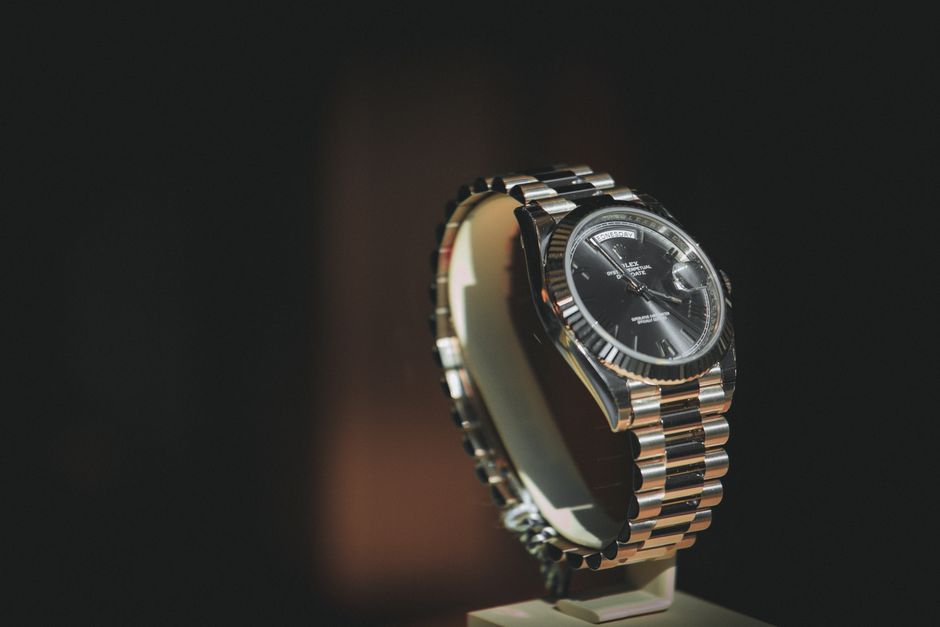
While having everything undeniably makes your watch more desirable, not all pieces carry equal weight. Most buyers prioritize authentic documentation, especially the warranty card, over the box or branded accessories. Let’s break it down:
- Warranty Card: Confirms authenticity, purchase date, and service coverage. This is the heart of trust.
- Receipts & Service Records: Back up the watch’s provenance and maintenance history.
- Box: Provides presentation appeal but is often secondary to documentation for valuation.
Why the Warranty Card is the Main Value Driver
In the secondary market, a warranty card only — even without the box — significantly boosts credibility and price stability. A few reasons why:
- Serial Number Match: The card includes key serial references that buyers can cross-check against the watch case, ensuring authenticity.
- Purchase Date Consistency: The card displays the original sale date, letting buyers verify the watch’s age against known production windows for that model.
- Service Status: Recently introduced Rolex warranty cards offer clarity on remaining warranty coverage, an attractive factor for buyers.
Without the warranty card, potential buyers may suspect the watch’s origin or authenticity, leading to reduced offers or demands for certification services. Therefore, prioritize retaining and presenting this documentation clearly.
How to Use Serial Number Cross-Reference to Build Buyer Confidence
One of the best practices when pricing a Rolex without the box is validating serial number consistency across the watch and warranty card. Here’s how:
- Locate Serial Number: Typically engraved between the lugs at the 6 o’clock position, or now, sometimes visible on the rehaut inside the dial.
- Match Against Warranty Card Serial: The warranty card has the exact serial number; it must be identical to the one on the watch.
- Spot Inconsistencies: An unmatched serial number is a big red flag for forgeries or replacement cards.
Buyers are savvy and will check this themselves, but your preemptive confirmation smooths the negotiation process and could justify a higher asking price.
Date Consistency Check Against Production Windows
Another crucial aspect often overlooked is verifying that the warranty card’s purchase date fits within the known production window of that specific Rolex reference. How to do this:
- Consult reliable databases and references (e.g., rolexforums.com, trusted Rolex encyclopedias) that catalog production years for models/serial ranges.
- Confirm that the warranty card date makes sense. For example, if the watch is a Submariner reference 16610, produced roughly between 1988 and 2010, a certificate dated 2015 would raise eyebrows.
- Document your findings in listings transparently to reassure buyers of authenticity and origin.
This layer of verification is commonly requested by collectors and dealers and is a powerful value driver even if the box is missing.
Receipts and Service Records: Secondary but Important Proof
While the warranty card holds the lion’s share of the value when it comes to documentation ranked, your service receipts, original sales invoices, and factory service records add compelling supplemental proof of provenance and care.
- Service Records support the watch’s maintenance history, reassuring buyers about its condition and reducing perceived risk.
- Original Receipts can validate the watch’s origin and pricing hierarchy at retail.
Although they don’t replace the warranty card, these papers can tip the scale in favor of a higher asking price, especially when the box is missing.
The Box Value is Often Overstated — Here’s Why
Many sellers fixate on the presence of the box, expecting it to fetch a premium equivalent to that of the warranty card. This is a misplaced assumption for several reasons:
- The box is a presentation piece, not legal proof of authenticity or purchase.
- Rolex boxes vary widely in demand—some vintage boxes fetch a small collector’s premium, but most modern boxes have negligible impact.
- Boxes can be purchased separately or replicated, which dilutes their perceived uniqueness.
By overvaluing the box, sellers risk inflating price expectations beyond what buyers are willing to pay, leading to longer times on market or missed deals.
Summary: What Would a Buyer Actually Pay For This?
When pricing a Rolex with the warranty card but missing the box, the question boils down to buyer psychology and market realities. Here’s a quick rundown:
Component Value Impact Notes Warranty Card High Crucial for authenticity trust and pricing Receipts / Service Records Moderate Secondary proof of maintenance and provenance Box Low to Moderate Presentation only; rarely drives significant premiumYour pricing decisions should emphasize the warranty card’s presence while calibrating down the box’s influence. If you’re missing the box but have a clean, verified warranty card matching the specialty watch buyer watch serial and consistent with its production date, you are justified in expecting close to market value—provided you communicate these facts clearly.

Final Tips for Sellers With Warranty Card Only and Missing Box Pricing
- Verify Serial Numbers: Double-check the watch and card serials match exactly.
- Confirm Date Matches Production Window: Research the model’s production timeline and see the warranty card date fits logically.
- Disclose Missing Box Transparently: Don’t try to gloss over the missing box; educate buyers instead on why your documentation matters more.
- Include Supporting Papers: Add service records or receipts if available to strengthen credibility.
- Research Comparable Sales: Look for recent sales of watches with “warranty card only” to see what buyers have been paying.
- Set Realistic Expectations: Understand a small deduction may occur but avoid over-penalizing your asking price just because you lack the box.
Conclusion
In the Rolex resale game, the warranty card only setup is a sweet spot for maintaining strong pricing power—even without the box. Through serial and date verification, transparency, and proper documentation ranking, sellers can confidently position their watches to attract serious buyers willing to pay fair market rates.
Remember: buyers prioritize trust and authenticity over flashy packaging. Keep your focus there and “missing box pricing” won’t be a stumbling block, but rather just part of a well-informed sales conversation.
If you’re looking to navigate pricing complexities and avoid rookie mistakes, always ask yourself: what would a buyer actually pay for this? Because that’s what ultimately drives smart selling decisions.