How Should I Think About Timing When Selling a Rolex?
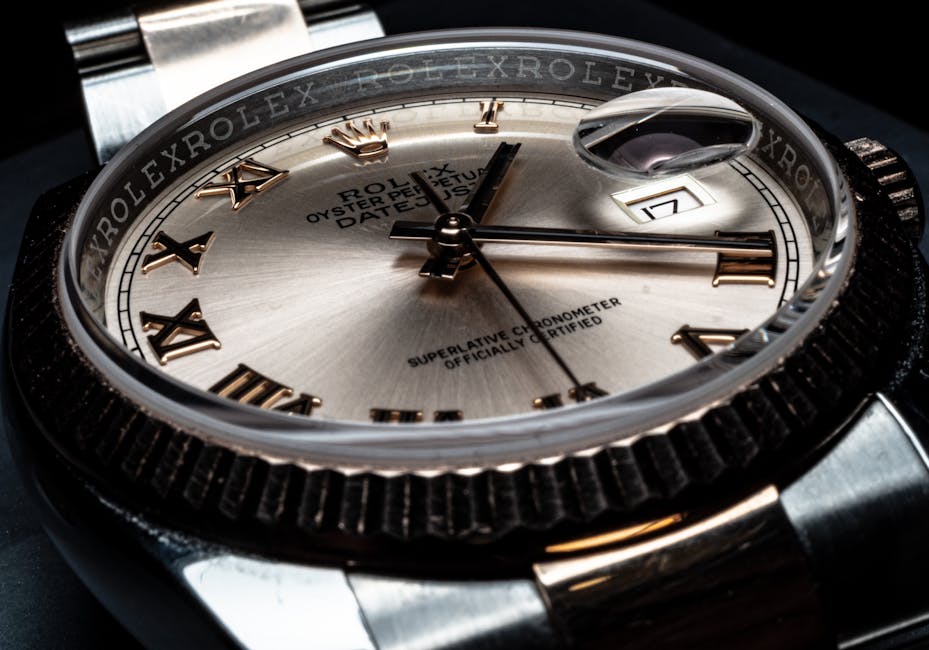
For many, selling a Rolex is not just about offloading a possession—it's about managing a high-value asset within a nuanced secondary market. Whether you’re a long-time collector, an investor, or someone needing liquidity, understanding the timing and market dynamics behind selling your Rolex is vital. This blog post unpacks https://highstylife.com/why-do-reputable-buyers-insist-on-verifying-serial-number-movement-and-case/ the key considerations to approach the sale strategically, balancing market demand shifts, condition, consignment windows, and more.
Understanding Watch Collecting as Portfolio-Style Stewardship
Luxury watches, specifically Rolex models, have evolved into portfolio assets for many collectors and investors. Like any investment, timing and market awareness greatly impact value realization.
Think of your Rolex collection similarly to how you’d manage equities or real estate holdings:
- Insurance appraisal ≠ market price: Insurance often appraises your watch at replacement cost or a high retail value, but this doesn’t reflect the real-time resale or consignment value.
- Market demand shifts matter: Changes in demand—triggered by product launches, macroeconomic trends, or collector sentiment—can impact liquidity and pricing within weeks or months.
- Liquidity needs influence timing: Your personal financial situation can necessitate faster sales, but balancing that urgency against market conditions can dramatically affect final proceeds.
Companies like Diamond Banc and RESIDENT™ now offer https://smoothdecorator.com/what-questions-should-i-ask-a-rolex-buyer-before-i-sell/ innovative ways to navigate these realities, blending real-time market data with streamlined consignment solutions.
The Gap Between Insurance Appraisal and Market Pricing
One of the most persistent misunderstandings I encounter is equating insurance appraisals or MSRP values with current resale market pricing. This is particularly tricky for Rolex watches because:
- Rolex MSRP doesn’t always reflect market premiums or discounts. Some discontinued or in-demand models fetch prices well above MSRP, while others dip below retail after a saturation.
- Insurance appraisals tend to err on the higher side to protect owners against loss but don't guarantee you will recoup that amount in a secondary market sale.
- Resale prices are determined by live secondary-market data and comparable sales. These shift dynamically based on condition, configuration, and broader collector appetite.
Before setting your expectations, I recommend gathering live secondary-market comps through trusted auction results, platforms like Chrono24, or consignment desks at Diamond Banc or RESIDENT™. This lets you ground your asking price in up-to-date, market-driven data rather than static insured values.
Using Live Secondary-Market Data and Comparable Sales
The holy grail of Rolex resale timing boils down to studying comparable sales — recent transactions involving the same model, year, configuration, and condition.
- Leverage real-time pricing dashboards. Platforms servicing watch consignments and resales frequently publish live pricing data. Diamond Banc’s buying desk, for example, utilizes deep secondary-market analytics to offer competitive quotes aligned with current demand.
- Compare full-set vs non-full-set sales. Always ask: Is the watch full set (box, papers, accessories)? The difference in realized value between full sets and watches missing original documentation can be 10–20% or more.
- Pay attention to demand signals. Are comparable listings staying unsold for long? Are prices trending up or down over the last 60–90 days? This data informs not only pricing but the urgency of your consignment window.
- Monitor saturation effects. An influx of the same reference on the market can depress prices temporarily. Waiting for market absorption can yield better returns.
Condition and Configuration: Nuances That Affect Value
Not all Rolex watches are created equal, even within the same reference number. Condition and configuration play an outsized role when evaluating timing and expected returns:
- Condition. Mint or unpolished pieces command premium pricing. Even minor bracelet stretch, dial discoloration, or case refinishing can reduce market interest.
- Configuration. Specific dial variants, bezel materials, or limited editions can sharply influence demand. For example, a green Submariner “Hulk” might attract more intense bidding than a standard black bezel model.
- Full set impact. Watches accompanied by original box, warranty card, and paperwork enjoy higher liquidity and yield more robust offers.
When considering timing, if your piece is in outstanding condition with a rare configuration, you might want to choose windows when collectors actively seek such variants, aiming for peak demand periods.
Market Demand Shifts and Liquidity Needs: Balancing Personal vs. Market Timing
Two forces are constantly tugging at luxury watch sellers:
- Market demand shifts. External factors like new Rolex releases, economic cycles, or even social trends can cause watches to fluctuate in desirability. For instance, a new model release might temporarily overshadow existing references, depressing prices.
- Personal liquidity needs. Your timing may be dictated by pressing financial requirements: closing on a real estate deal, funding a major purchase, or reallocating assets.
In an ideal world, you align personal timing with market peaks for maximum proceeds. But that isn’t always feasible. Here’s where trusted consignment partners become invaluable:
- Diamond Banc provides an efficient, near-instant offer process backed by live market data, helping sellers seize timely liquidity without guesswork.
- RESIDENT™
Both entities monitor market demand shifts continuously, allowing sellers to benefit from dynamic pricing and reduce the risk of selling into a saturated market.
The Ideal Consignment Window: When to List Your Rolex?
Combining these variables, determining the ideal consignment window involves:
- Assessing current market momentum. Are similar models selling swiftly at or above expected values? If yes, it’s a good signal to list.
- Analyzing inventory saturation. How many comparable watches are currently listed? High saturation usually means waiting a few weeks can yield better results.
- Evaluating liquidity urgency. If you require quick capital, working with companies like Diamond Banc for immediate offers may outweigh waiting for a peak market window.
- Maximizing presentation. Ensure your Rolex is immaculate, fully documented, and photographed professionally to enhance desirability in consignment platforms like RESIDENT™.
Flexibility in timing, backed by data-driven insights, tends to deliver a better balance between price maximization and liquidity needs.
Summary Table: Key Factors and Timing Considerations for Selling Rolex
Factor Impact on Value Timing Consideration Recommended Action Condition High-quality condition can add 10-20% to resale value Sell when market demand is high for your reference Get professional servicing/polishing if necessary but avoid over-refinishing Configuration Rare dial/bezel/materials boost buyer interest Align sale with collector cycles or hype Hold for market-driven peaks if not urgent Full Set Completeness Can increase value by 15-25% Consign only when full set is complete; avoid selling incomplete pieces at peak Locate all original paperwork and accessories before listing Market Saturation Excess listings depress prices Wait for saturation to reduce, typically 4-8 weeks Monitor secondary-market platforms and bids Personal Liquidity Needs Higher urgency can lower realized value Use fast offers from trusted dealers if immediate funds required Compare offers from Diamond Banc and RESIDENT™ before decidingFinal Thoughts
Selling a Rolex is both art and science. Balancing your personal financial needs with the dynamics of a sophisticated secondary market requires time, data, and trusted partnerships. By differentiating insurance appraisals from live market prices, leveraging comparable sales, and understanding condition/configuration impacts, you can better time your sale.
Turn to established players like Diamond Banc and RESIDENT™—whose expertise and access to live secondary-market data can help you select the right consignment window and quick liquidity options. Ultimately, informed timing maximizes your Rolex’s resale value, converting this cherished timepiece back into capital on your terms.