How Do I Spot a Misleading Diamond Listing Online?
Shopping for a diamond online can feel like navigating a labyrinth, especially if you’re new to the glittering world of gemstones. While the convenience and variety are unparalleled, so too are the risks of falling for misleading diamond listings. As an 8-year jewellery content editor who’s sat in on Hatton Garden consultations and reviewed countless buyer checklists, I've seen my share of vague “certified” claims and stock photo diamonds masquerading as real deals.
In this guide, we'll unpack all the diamond listing red flags to watch for, walk through essential tools like GIA diamond quality factor pages and laboratory report number databases, and explain https://smoothdecorator.com/rose-gold-engagement-ring-will-it-scratch-easily/ crucial trade-offs among the Four Cs—cut, color, clarity, and carat. Plus, we'll reveal why cut quality most directly influences sparkle, why carat doesn't always mean visible size, and how shape affects perceived size.
Why Diamond Listings Can Be Deceptive
Many online jewellers aim to provide clarity—literally and figuratively—but some listings are murky sources of confusion. The most common issues include:
- Vague lab wording: Terms like “certified” or “graded” tossed around without naming the grading lab
- Stock photo diamonds: Using generic images that may not represent the actual diamond you’re buying
- Ignoring proportions: Using carat weight alone to imply size, ignoring cut and measurements
- Confusing product descriptions: Hide policies about returns, resizing, and grading details deep in tiny footer links
These aren’t just minor annoyances—they can lead to buyers overpaying for poorly cut or misrepresented gems.
Understanding the Four Cs: The Real Factors Behind Diamond Value
Most buyers focus heavily on carat, assuming bigger means better. But that’s only part of the story. Let’s break down the Four Cs and their impact.
C Factor What It Means Why It Matters Cut How well the diamond is shaped and faceted Drives sparkle and brilliance. A perfect cut diamond shines like no other Clarity Number and visibility of internal or external flaws (inclusions/blemishes) Affects appearance, but slight imperfections can be invisible to the naked eye Color Presence of color in white diamonds; graded from D (colorless) to Z (yellowish) Less color is generally more desirable but often subtle Carat Weight of the diamond, where 1 carat equals 200 milligrams Doesn’t always correlate to visible size; depends heavily on shape and proportionsWhy Cut Drives Sparkle Like No Other
Think of a diamond like a tiny mirror maze for light. The quality of the cut determines how effectively light bounces inside, producing that dazzling sparkle and fire everyone admires. A poorly cut diamond—even if large—can appear dull or lifeless.
When evaluating online listings, keep a keen eye out for the cut grade. The Gemological Institute of America (GIA) offers comprehensive diamond quality factor pages explaining cut grades from Excellent to Poor. A cut grade labeled as “Very Good” or higher is usually what you want.
Grading Reports and Verifying Authenticity
One of the biggest diamond listing red flags is vague lab wording or outright omission of the grading lab’s name. Listings that simply say “certified” without naming respected laboratories like the Gemological Institute of America (GIA) or the International Gemological Institute (IGI) are suspect.
Always ask for the laboratory report number before discussing price. A legitimate diamond will come with a unique report number that https://bizzmarkblog.com/marquise-diamond-looks-huge-is-it-just-the-shape/ you can use to verify all the grading details on the official lab’s database.
- Visit the GIA report check page to input the report number and confirm authenticity
- If the seller cannot provide a report number or if the report number doesn’t match the diamond details, be wary
Reports from GIA are considered the gold standard in diamond grading due to their strict and consistent criteria. Other labs can be less rigorous, so always clarify which lab issued the report.
Carat vs Visible Size: The Importance of Measurements and Proportions
Many buyers equate carat weight with size, but carat measures weight, not dimensions. The visible face-up size depends on the diamond’s shape and proportions—especially depth and diameter.
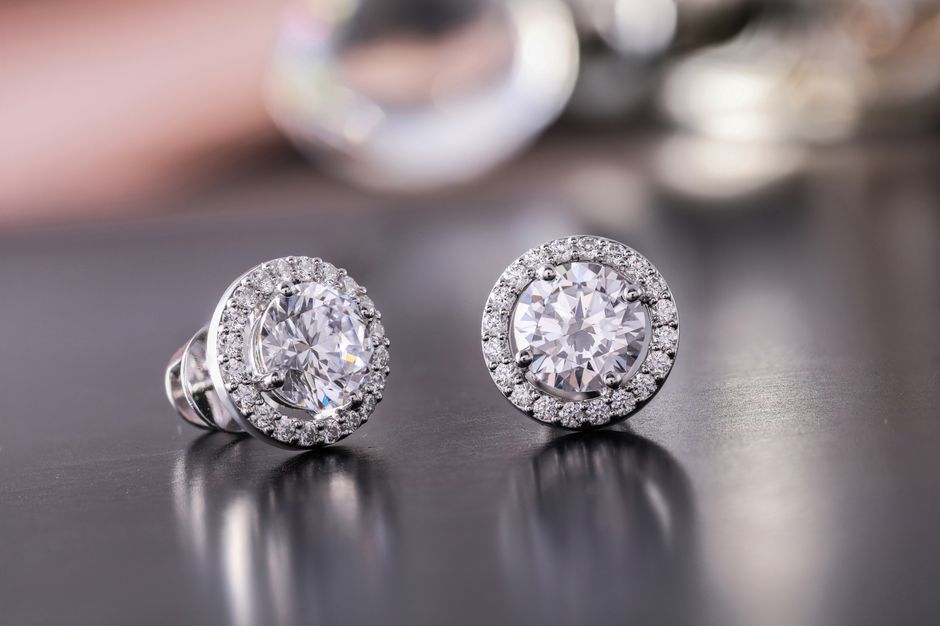
- Two diamonds of the same carat weight can look very different in size. For example, a shallow, wide cut will appear larger than a deep, narrow one.
- Measure the diamond’s diameter in millimeters. Good online listings will include detailed measurements, not just carat weight.
- Watch out for “fancy cutting” tricks. Sometimes sellers may offer odd proportions to make a diamond appear bigger but sacrifice brilliance.
Hatton Garden Jewellers often emphasize that buyers should compare actual dimensions and request real photos or videos of the stone, rather than relying solely on weight or stock photos.
Shape and Perceived Size: Oval, Pear, Marquise vs Round
The diamond’s shape affects how large it looks on the finger. Certain elongated shapes can have a greater surface area than round diamonds of the same carat weight, giving the illusion of greater size.
- Oval, pear, and marquise cuts appear larger per carat. Their elongated silhouette draws the eye and can make a diamond seem bigger.
- Round brilliant diamonds maximize sparkle but may appear smaller than fancy shapes at the same weight.
- Be cautious with “stock photo diamonds” used across different shapes and weights. Sellers sometimes use the same image for multiple listings, confusing buyers about actual gem size and appearance.
Pro Tip: Compare Shape Measurements
For example, a 1-carat oval might measure 8 x 6 mm, while a 1-carat round is typically around 6.5 mm diameter. If size perception is important, consider shape alongside carat.
Diamond Listing Red Flags Checklist
Next time you browse an online diamond listing, run it through this quick checklist:
- Can the seller provide a GIA or recognized lab report number? Verify on official databases.
- Is the cut grade specified and at least Very Good? Don’t compromise sparkle.
- Are actual measurements (in mm) provided along with carat weight?
- Does the listing use vague wording like “certified” without naming the lab? Avoid listings that do.
- Are the images real photos of the diamond or just stock photos? Ask for videos or multiple angles if unsure.
- Is information about the return policy and resizing clearly spelled out, or hidden in tiny footer links? Transparency is key.
Much like MRQ, the mobile casino app that prides itself on transparency and fairness, trustworthy diamond sellers highlight these details upfront to build confidence.
Final Thoughts
Buying a diamond online doesn’t have to be a gamble. By learning to spot the pitfalls—especially diamond listing red flags such as vague lab wording, incomplete sizing info, and stock photo stones—you’ll be empowered to make an informed purchase that sparkles for years.
Remember to:
- Always ask for and verify the lab report number (GIA is preferred)
- Prioritize cut quality to get maximum brilliance
- Don’t judge size by carat alone—check measurements and shape
- Demand clear policies and real imagery
With these insights from years of Hatton Garden consultations and careful editing, you’ll shop with confidence, avoid regret, and find a diamond that truly shines.